

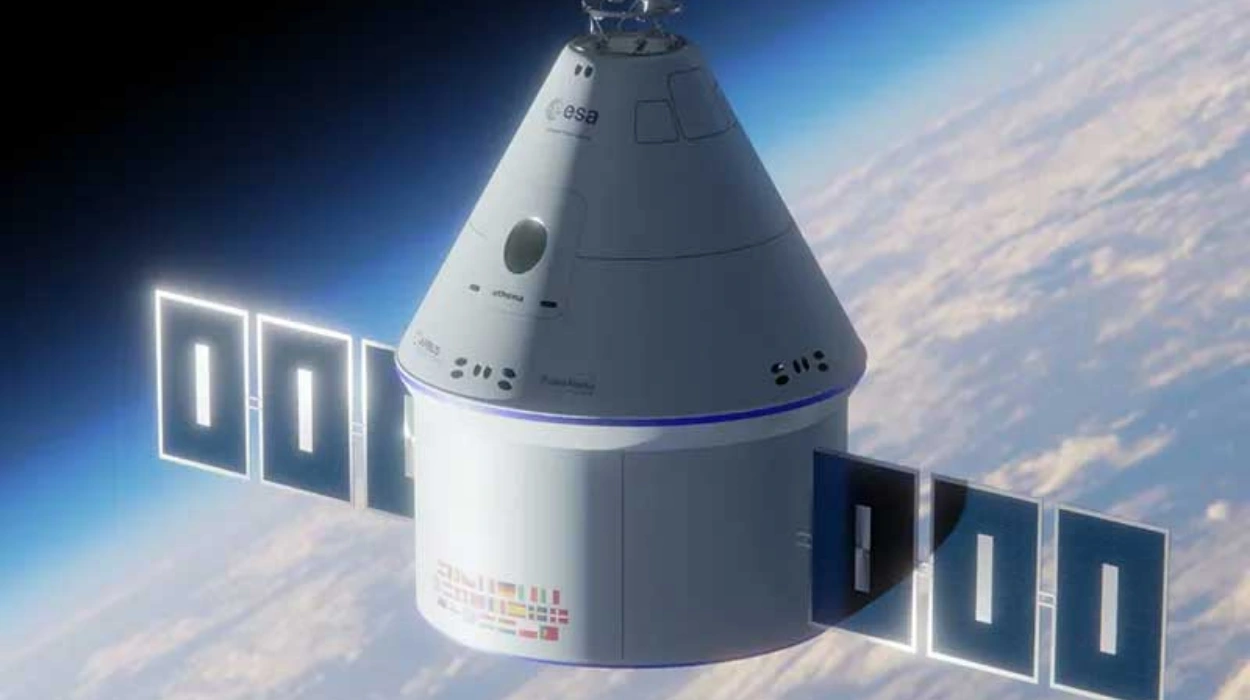

Paris (Le Parisien Matin) 19 septembre 2026 – French President Emmanuel Macron has called for Europe to develop its own independent capability to send astronauts into space within the decade. While the continent successfully builds rockets, launches satellites, and participates extensively in International Space Station missions, it currently relies entirely on American spacecraft for human transportation. The ongoing discussions highlight a strategic pivot as global space competition intensifies.
Shifting Landscape in Global Space Exploration
The proposal reflects a broader evolution in Europe’s approach to the space sector, which is witnessing rapid industrialisation. Major global actors, particularly the United States and China, are committing substantial financial resources toward ambitious lunar exploration programmes aimed at returning humans to the Moon. Simultaneously, private sector entities are developing advanced spacecraft, launch vehicles, and satellite constellations on an unprecedented scale.
These developments have prompted European policymakers to re-evaluate not only logistical access to orbit, but also the continent’s long-term strategic objectives once in space. Historically, European space policy has prioritized satellite manufacturing, scientific exploration, and Earth observation programmes like Copernicus, which monitors global climate and environmental patterns. However, human spaceflight has remained dependent on foreign partners.
Historical Context of European Launch Strategy
France has traditionally maintained a leading role in European space initiatives, with an emphasis closely linked to national defence and strategic deterrence capabilities. According to Xavier Pasco, a space policy specialist and director of the Foundation for Strategic Research, the historical trajectory of French space development was shaped by ballistic missile programmes and deterrence requirements rather than crewed spaceflight. Consequently, European institutional focus centred primarily on developing reliable rocket launchers rather than human transport systems.
Addressing an international space summit in Paris, President Macron stressed the necessity for Europe to assert greater ambition in crewed space missions. He advocated for the creation of an indigenous European crewed capsule within a ten-year timeframe, marking a distinct departure from historical policy precedents.
Institutional Response and Strategic Autonomy
The debate over independent human spaceflight comes as European space officials examine future strategic autonomy. European Space Agency (ESA) Director General Josef Aschbacher noted that political leaders have delivered a clear message regarding the need for enhanced capabilities in space transportation and exploration. Aschbacher indicated that discussions will advance at an upcoming ministerial meeting in Rome, where member states will evaluate options for independent crewed launch systems.
Proponents of the initiative suggest that achieving full capability would involve European rockets, dedicated crew vehicles, launch support infrastructure, and recovery systems. While financial considerations remain central to the debate, agency representatives have indicated that architectural studies could potentially be supported by reallocating existing funds within current budgetary frameworks, such as adjustments to contributions previously designated for cooperative international projects. As Europe navigates these financial and technical choices, policymakers continue to deliberate the long-term cost and structural requirements of establishing a permanent human spaceflight capability.